
Separate four types of website
A replacement operator domain is meant to provide the service itself. An independent review explains the service and may use commercial links. A cached page is a stored copy that may no longer match the current product. An impersonation copies branding to solicit credentials, payments or software installation. The same screenshot can appear in all four contexts.
| Type | Main purpose | Identity evidence needed |
|---|---|---|
| Operator address | Account and product access | Established operator communication |
| Review website | Information and comparisons | Publisher details and disclosure |
| Cached copy | Stored historical content | Capture context and date |
| Impersonation | Misleading requests | Do not submit personal information |
This domain is an independent guide. Its publisher contact is different from operator support. A review’s link can lead elsewhere, so assess the destination address rather than assuming that the review and the account service are the same entity.
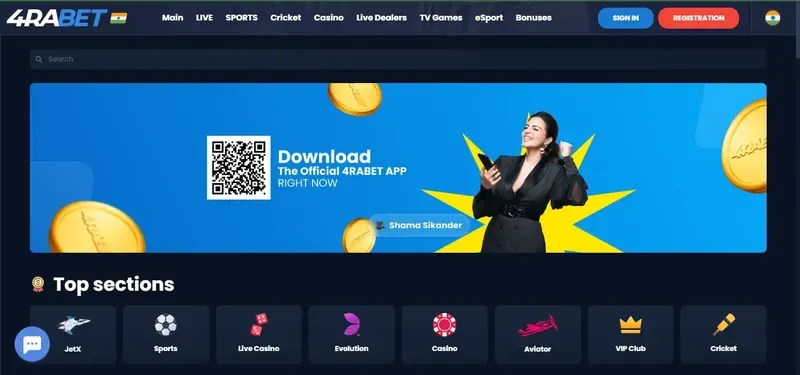
Read the actual hostname
Domain, subdomain and path
The browser address contains a scheme, a hostname and possibly a path. The hostname identifies the site receiving the connection. A brand word in a path after a slash does not change that host. Likewise, a familiar word placed before an unrelated domain does not make that domain part of the brand.
For example, example.com/brand/login is hosted by example.com; the word “brand” is only a path segment. This is an illustrative address, not a recommended service. Read the full address after a redirect, not only the text displayed on the link that opened it.
- Look for swapped characters and added words.
- Expand a shortened address before trusting its destination.
- Check the final host after any redirect.
- Do not treat a spelling variation as ownership evidence.
Know the limit of the padlock
Encryption is not business verification
HTTPS protects the connection to the hostname shown. It does not independently establish the operator’s identity, validate an offer or guarantee that a payment request is genuine. A misleading site can also use encryption. Conversely, a certificate warning should not be dismissed just because a page contains a familiar logo.
Ownership evidence should come from a route whose identity was already established, such as an existing verified support relationship or a published operator notice reached independently. A new page cannot authenticate itself merely by declaring “official mirror”. Testimonials placed on that same page do not solve the circular claim.
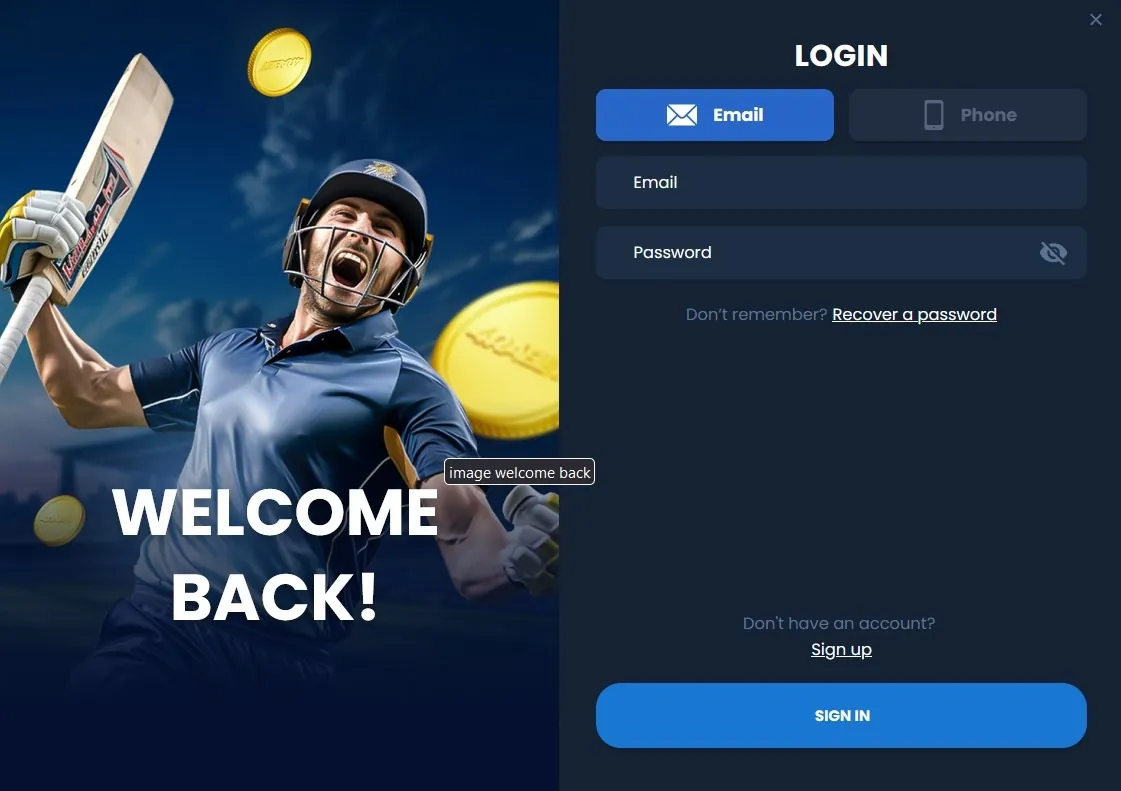
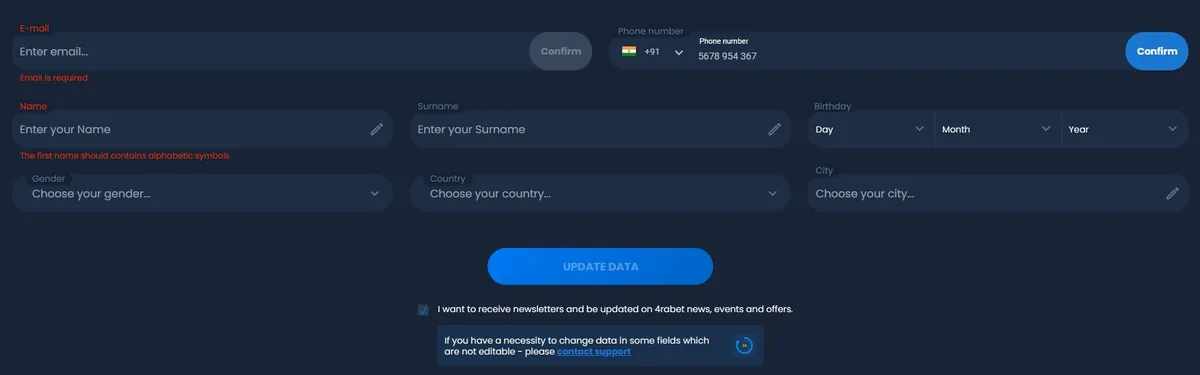
Use an evidence-first response when a saved address fails
A blank page, timeout or restriction notice has several possible explanations. Record the actual result before assuming maintenance or searching for “working today” lists. A network test on an unrelated ordinary website can separate a general connection problem from a single-site problem, but it does not establish why the particular service is unavailable.
- Save the attempted address and exact error.
- Note the time and device used.
- Check existing account notices through an already trusted route.
- Ask the established support channel about the address if necessary.
- Preserve account and transaction records while the issue is unresolved.
A reachable replacement does not change the India legal position. Do not change identity, territory or connection settings to bypass a restriction.
Recognise requests that change the risk
| Request | Why it matters | Response |
|---|---|---|
| Enter an OTP in a chat | May authorise account access or a payment | Keep the code inside its intended flow |
| Pay an unlock fee | Can be an advance-payment recovery claim | Verify independently before any action |
| Install a mandatory APK | Adds software and permission risk | Check publisher and release identity |
| Enable remote control | Exposes screens and private notifications | Do not hand control to an unknown person |
| Send a password to an agent | Transfers the account secret | Use the account recovery controls instead |
A request can be suspicious even if it arrives from a branded chat profile. A display name and an icon can be copied. Keep account recovery, financial instructions and marketing conversations separate.
Respond proportionately if information was entered
Start with what was disclosed. An email address alone differs from a password, an OTP, card details or remote-device access. If a password was reused, change it through the genuine services that use it, beginning with the recovery mailbox where relevant. Review session controls and terminate unfamiliar sessions when that option is available.
If banking credentials or payment authorisation data were exposed, contact the affected financial provider using its established contact method. Explain the type of information and time of disclosure. Do not rely on the suspicious website to confirm that everything is safe.
Save the URL, messages and payment references before deleting a conversation. Redact private data when sharing evidence outside an authenticated investigation. The login guide covers legitimate account recovery.
Keep a short incident record
A record of five items is usually more useful than a long list of unverified addresses: the exact URL, the time, the request made, the information supplied and any transaction reference. Mark facts separately from assumptions. “A page requested a fee” is an observation; “the operator requires a fee” needs independent evidence.
For existing funds, follow the deposit record checklist or withdrawal tracing guide. A domain outage does not establish whether a transfer settled. Transaction status should be investigated through its actual reference and receiving institution, rather than inferred from an unavailable webpage.
There is no need to install a browser extension or a “mirror finder” to read account-help information. Extra software creates another party with access to browsing data without establishing the identity of the destination.
Questions answered
Does HTTPS prove a mirror is official?
No. It encrypts the connection to the displayed host; it does not prove the business identity or the legitimacy of a request.
Is this review domain the operator’s account website?
No. It publishes independent information. Account administration and transaction queries belong to the operator’s authenticated channels.
What should I save from a suspicious page?
Keep the exact URL, time, messages, requested action and relevant transaction references. Avoid distributing passwords, OTPs or identity documents with that record.
Can a different address resolve a legal restriction?
A domain change does not change the nature of the service or the rules applying to the visitor. Do not use a replacement address to bypass a restriction.